

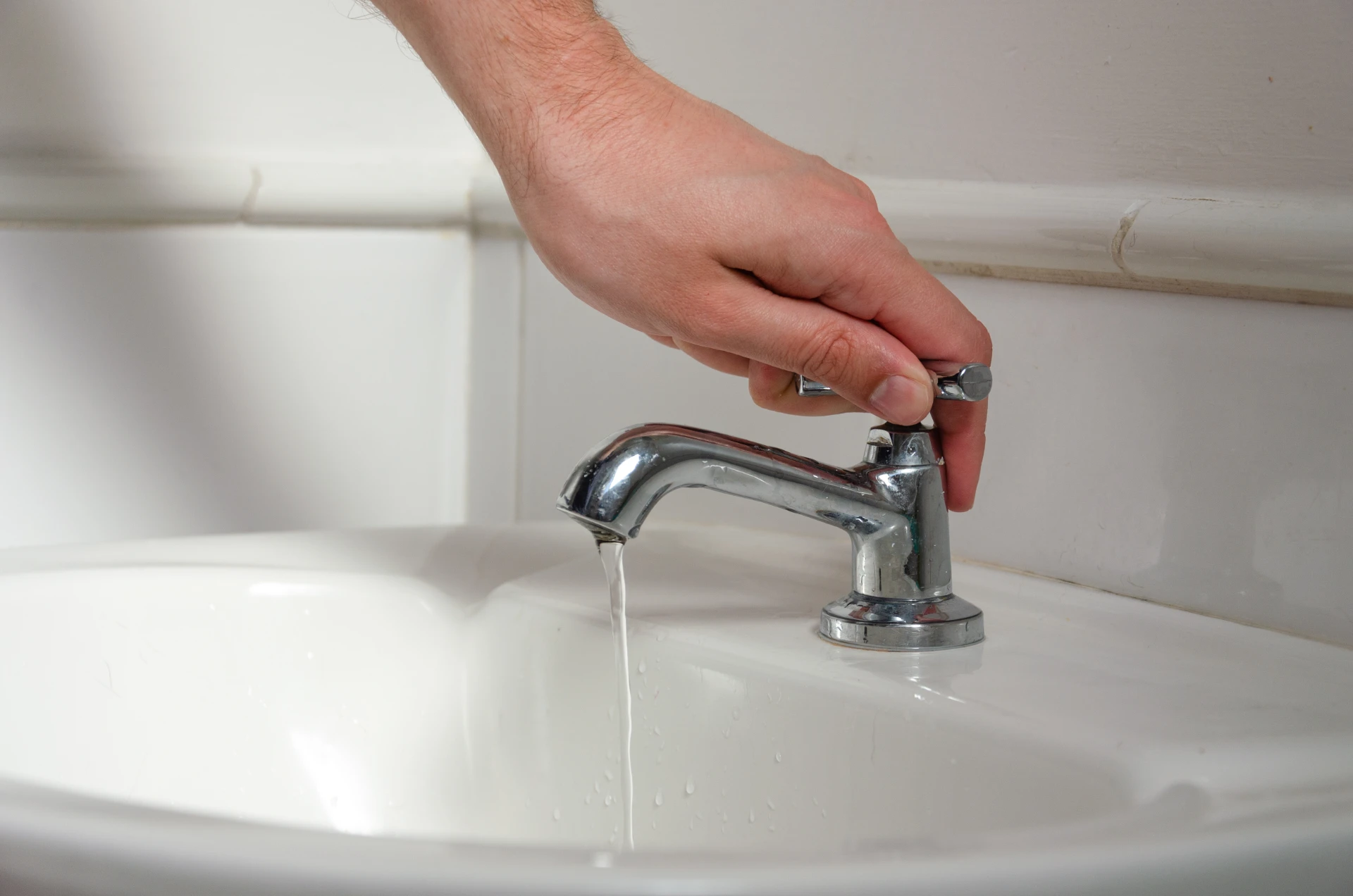
A dripping tap might seem like a small annoyance, but it can waste a surprising amount of water and increase your household bills. If you are searching for how to stop a dripping tap, this guide explains the common causes, simple fixes, and why acting quickly can save you money.
Ignoring a slow drip often leads to higher water costs, unnecessary water waste, and potential long-term plumbing damage.
Why Is My Tap Dripping?
If you are asking why is my tap dripping, the issue usually comes down to worn internal components. Over time, the parts inside your tap experience constant pressure and movement, which causes them to deteriorate.
Common causes include:
- Worn tap washer
- Damaged O ring
- Corroded valve seat
- Loose or damaged cartridge in mixer taps
- High water pressure
In traditional compression taps, the rubber washer is often the main culprit. In mixer taps, the internal cartridge may need replacement. Mineral build up can also prevent a proper seal, allowing water to slowly leak through.
Even a slow drip signals that a seal is no longer functioning correctly.
How to Stop a Dripping Tap
If you are confident with basic tools, you may be able to fix the issue yourself. Here is a general step-by-step guide on how to stop a dripping tap.
- Turn off the water supply at the isolation valve.
- Remove the tap handle carefully.
- Unscrew the tap body to access the washer or cartridge.
- Inspect for wear, cracks or flattening.
- Replace the damaged washer or cartridge.
- Reassemble and turn the water back on.
Make sure you take the old part with you when purchasing a replacement to ensure correct sizing.
If the drip continues after replacing the washer, the valve seat may be damaged or there may be deeper internal wear. In that case, professional dripping tap repair is recommended to prevent further damage.
How Much Water Does a Dripping Tap Waste?
Many homeowners underestimate how much water a dripping tap wastes. The numbers can be surprising.
A tap dripping once per second can waste:
- More than 20,000 litres of water per year
- Hundreds of dollars are added to your annual water bill
- Unnecessary strain on the local water supply
Even a minor leak can add up quickly. When you multiply that waste across households, it becomes a significant environmental concern.
Fixing a leaking tap is one of the simplest ways to reduce water waste and lower your utility costs.
Understanding Dripping Tap Repair Cost
The dripping tap repair cost depends on the type of tap and the extent of damage.
Factors that influence cost include:
- Type of tap, compression or mixer
- Replacement parts required
- Condition of internal fittings
- Labour time involved
In many cases, replacing a washer or cartridge is straightforward and affordable. However, if corrosion or water pressure issues are present, additional work may be required.
Addressing the issue early usually keeps repair costs low. Waiting can lead to worn valve seats or damage that requires more extensive repairs.
Why Fixing a Dripping Tap Matters
Beyond the annoying sound, a leaking tap matters for several important reasons:
- Increased water bills
- Ongoing water waste
- Potential damage to fixtures
- Gradual deterioration of plumbing components
What starts as a minor drip can eventually affect surrounding fittings or cabinetry if left unresolved.
Taking action protects both your home and your budget.
Conclusion
Learning how to stop a dripping tap is a simple but important step in protecting your home and reducing water waste. A small drip can waste thousands of litres each year and increase your water bills without you realising.
If your tap continues leaking, contact Our Plumber for reliable and efficient dripping tap repair. Acting early saves water, reduces costs and keeps your plumbing system working properly.