

Low Water Pressure Explained and Simple Troubleshooting
Low water pressure can turn everyday tasks like showering, washing dishes, or filling a sink into frustrating experiences. If you are dealing with low water pressure in your home, understanding the causes and knowing how to fix low water pressure can help you act quickly.
In many cases, the issue is minor and easy to troubleshoot. In others, it may signal a deeper plumbing problem that requires professional attention.
What Is Low Water Pressure?
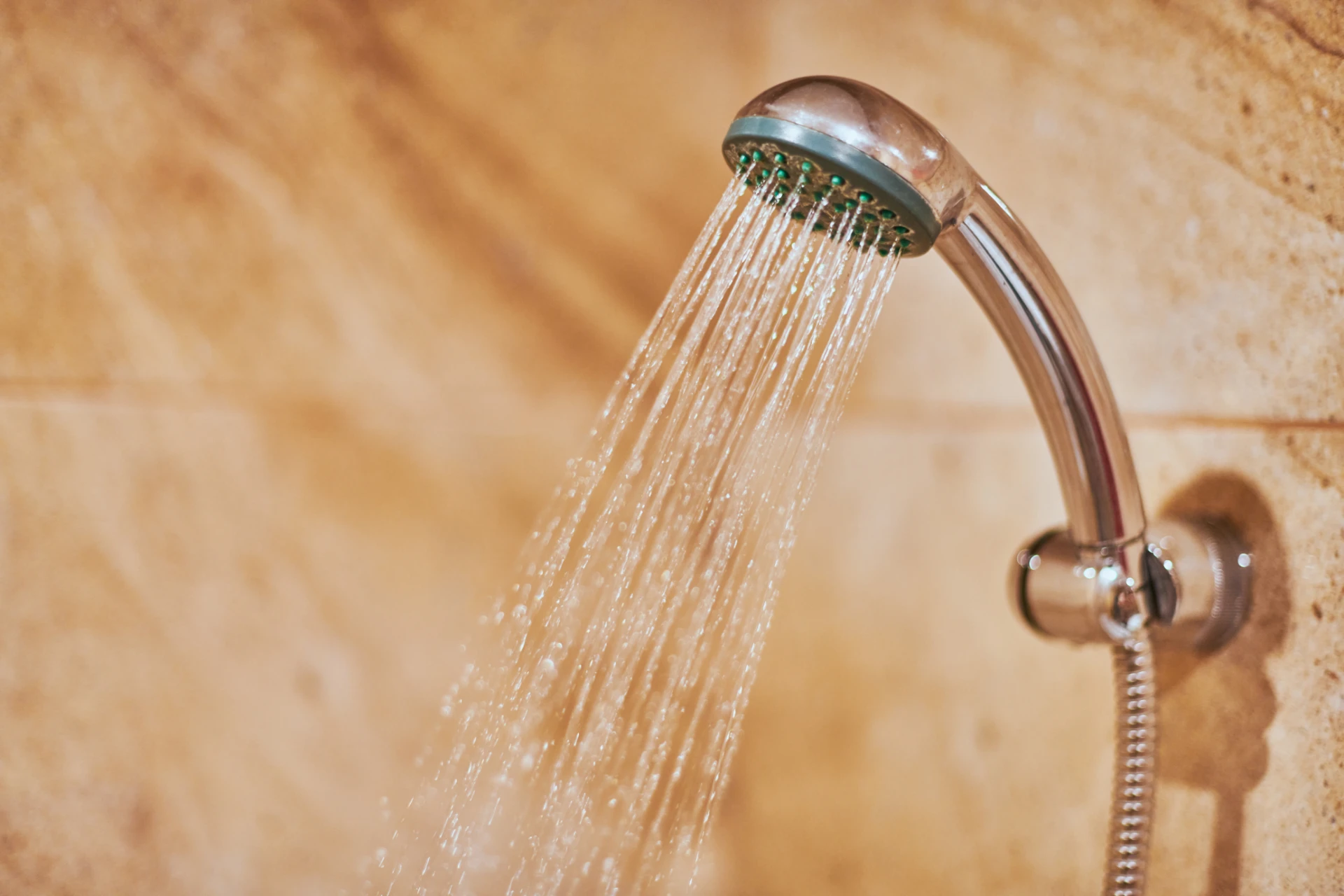
Low water pressure occurs when water flows weakly from taps, showerheads, or appliances. Instead of a steady, strong stream, you may notice:
- Slow filling sinks or bathtubs
- Weak shower spray
- Washing machines taking longer to fill
- Reduced flow at multiple fixtures
If you are asking why is my water pressure low, the first step is identifying whether the problem affects one fixture or the entire property. This distinction helps narrow down the possible causes of low water pressure.
Common Causes of Low Water Pressure
There are several possible causes of low water pressure, ranging from simple blockages to more serious plumbing issues.
1. Blocked Tapware or Showerheads
Mineral buildup inside aerators or showerheads can restrict water flow over time. This is one of the most common and easily fixed problems.
2. Partially Closed Valves
If your main water valve or isolation valves are not fully open, water flow can be restricted throughout the home.
3. Leaking Pipes
Hidden leaks reduce available pressure because water escapes before reaching fixtures.
4. Faulty Pressure Regulator
Homes fitted with pressure-limiting valves may experience reduced flow if the regulator fails.
5. Corroded or Ageing Pipes
Older plumbing systems may develop internal corrosion, narrowing pipe diameter and restricting flow.
Identifying the exact cause determines whether simple troubleshooting will solve the issue or if professional repair is required.
How to Fix Low Water Pressure: Simple Checks
Before calling a plumber, there are a few practical steps you can take to troubleshoot low water pressure.
Clean Aerators and Showerheads
Unscrew the aerator from the tap or remove the showerhead. Soak it in vinegar to dissolve mineral deposits, then rinse and reinstall.
Check the Main Water Valve
Ensure the main shut-off valve is fully open. Even a partially closed valve can significantly reduce pressure.
Test Multiple Fixtures
Turn on several taps throughout the house. If only one fixture has low flow, the issue is likely localised. If all fixtures are affected, the problem may be system-wide.
Look for Visible Leaks
Inspect under sinks, around toilets, and near exposed pipes for signs of dripping or pooling water.
If these checks do not improve pressure, further investigation is recommended.
When Low Water Pressure Signals a Bigger Problem
Persistent low water pressure throughout your property can indicate more serious concerns.
Potential underlying issues include:
- Underground pipe leaks
- Failing pressure-limiting valves
- Blocked or damaged water supply lines
- Municipal supply issues
Ignoring ongoing low water pressure may lead to higher water bills, structural damage from hidden leaks, or complete pipe failure over time.
Professional plumbers use specialised tools to test pressure levels, inspect pipe integrity, and accurately diagnose faults.
Conclusion
Low water pressure is frustrating, but it is often fixable with simple troubleshooting. Understanding the causes of low water pressure and knowing how to fix low water pressure can help you resolve minor issues quickly.
If your water pressure remains low or you suspect a deeper plumbing problem, contact Our Plumber for reliable inspection and repair. Restoring proper water flow improves comfort, efficiency, and the long-term health of your plumbing system.